Freight Broker vs Dispatcher: Key Differences Explained

One of the most common questions I get from people interested in the trucking industry is:"Should I become a freight broker or a freight dispatcher?" While both roles involve connecting trucks with loads, they are fundamentally different in terms of who you work for, startup requirements, how you get paid, and earning potential.
The Quick Answer
A freight dispatcher works FOR carriers (truck drivers/trucking companies), helping them find loads for a fee. A freight broker is a licensed intermediary that works with shippers, arranging transportation and earning the margin between what the shipper pays and what the carrier is paid. Dispatchers need minimal startup ($500), while brokers need $75,000+ in bonding alone.
Side-by-Side Comparison
| Factor | Freight Dispatcher | Freight Broker |
|---|---|---|
| Works For | Carriers (drivers/trucking companies) | Shippers (manufacturers, businesses) |
| Federal License Required | No | Yes (MC Authority) |
| Surety Bond | Not required | $75,000 required |
| Startup Cost | $200 - $500 | $10,000 - $30,000 |
| Liability | Low (agent relationship) | High (contractual liability) |
| Income Model | Fee per truck or % of the carrier's rate | Margin between shipper & carrier rate |
| Income Potential | $50K - $150K/year | $100K - $500K+/year |
| Time to First Income | 2-4 weeks | 2-6 months |
What Does a Freight Dispatcher Do?
A freight dispatcher acts as an agent for truck drivers and trucking companies. Your job is to:
- Find loads on load boards (DAT, Truckstop, 123Loadboard)
- Negotiate rates with brokers on behalf of the carrier
- Handle paperwork and documentation
- Plan efficient routes to minimize deadhead miles
- Communicate with shippers, receivers, and brokers
- Solve problems (delays, breakdowns, appointment changes)
You earn money by charging the carrier either a flat fee ($50-$150 per truck per week) or a percentage of the carrier's gross revenue (typically 5-10%). The carrier is your client and pays you.
What Does a Freight Broker Do?
A freight broker is a licensed intermediary between shippers (companies with goods) and carriers (trucking companies). Your job is to:
- Build relationships with shippers who need to move freight
- Quote and negotiate rates with shippers
- Source and vet carriers to haul the loads
- Negotiate the carrier buy rate (your profit is the spread)
- Handle all logistics coordination and tracking
- Bill the shipper, pay the carrier, and manage the margin
You earn money on the margin: if a shipper pays you $2,400 and you pay the carrier $2,040, your gross margin is $360 (15%). The shipper is your client, and you take on contractual liability for the freight.
Startup Costs Breakdown
Freight Dispatcher Startup Costs
Freight Broker Startup Costs
Which Should You Choose?
Choose Dispatching If:
- You want to start with minimal investment
- You want to earn income within weeks, not months
- You prefer lower risk and lower liability
- You enjoy working directly with truck drivers
- You want flexible hours and remote work
Choose Brokering If:
- You have $10,000+ to invest upfront
- You have sales experience and enjoy B2B relationships
- You're comfortable with higher risk for higher reward
- You want to build a larger-scale business and own the customer
- You can wait 3-6 months for profitability
Pro Tip: Many Brokers Start by Learning the Lanes
Some successful freight brokers started out dispatching. It's a great way to learn the industry, understand load boards and rates, and build relationships with carriers. Once you understand the business, getting your broker authority lets you own the shipper relationship and capture the full margin instead of a dispatch fee.
Conclusion
Both freight brokering and freight dispatching are legitimate paths in the $800+ billion trucking industry. Dispatching offers a lower barrier to entry, faster time to income, and lower risk. Brokering offers far higher income potential because you earn the margin and own the shipper relationship, but it requires authority, a $75K bond, capital, and accepting more liability.
This course is built to make you a licensed freight broker. If you're ready to work with shippers and earn the margin on every load, the broker path is where the real money and control are.
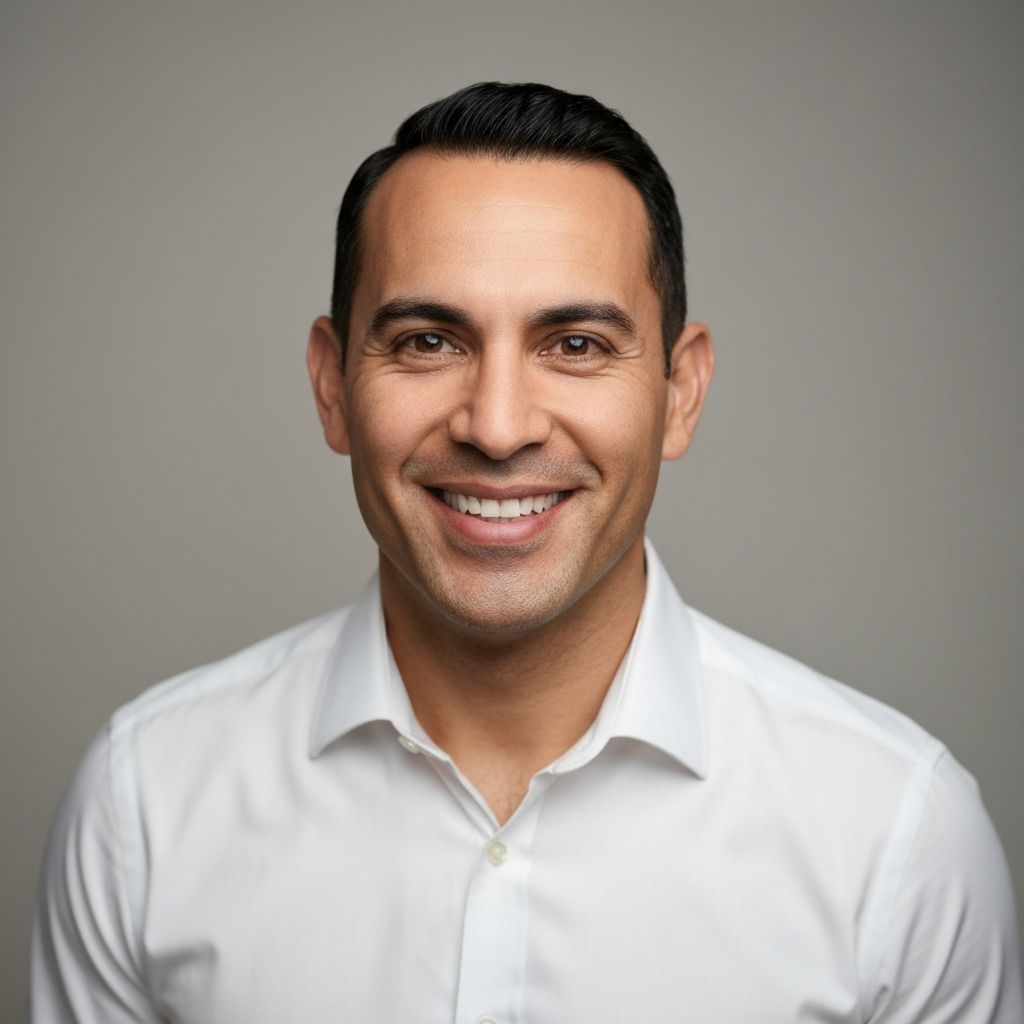
Michael Rivera
3PL freight broker with 10+ years experience and $5M+ in freight sold. Founder of Broker Pro Academy.